
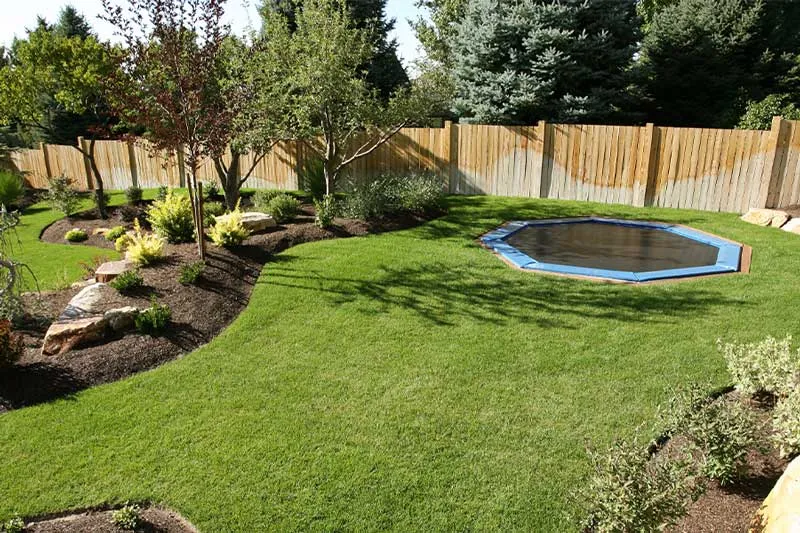
A good lighting layout starts with the property, not the fixtures. That means understanding how the yard is used, where the safety concerns are, how shadows fall after sunset, and what the space should feel like once the sun goes down. From there, fixture selection, layering, energy efficiency, and seasonal maintenance all follow logically. Granite Bay properties present specific conditions worth planning around, including sloped lots, mature oak canopy, and long approaches from the street. Homeowners investing in professional landscaping in Granite Bay get better results when lighting is designed alongside the landscape rather than added to it later.
Understanding Your Landscape: Assessing Space and Needs
Every lighting plan should begin with an honest assessment of the property and how it functions. Key considerations:
- Yard layout and existing features. Grade changes, mature trees, hardscape, pool areas, and structures all shape where light belongs and where it becomes glare.
- Intended use. A yard built around entertaining needs different treatment than one where the priority is highlighting garden features or securing a long driveway approach.
- Natural light and shadow patterns. Observing how daylight moves across the property and where darkness collects after sunset identifies the areas that actually need attention.
- Safety requirements. Pathways, steps, grade transitions, and pool decks need adequate illumination, and this is where many Granite Bay properties fall short given how many sit on sloped, wooded lots.
- Aesthetic direction. Modern, traditional, or naturalistic approaches call for different fixture styles, mounting heights, and color temperatures.
Working on properties across Granite Bay, we see that mature oak canopy changes the calculation significantly. Heavy tree cover blocks ambient light from the sky, which makes even well lit properties feel darker than expected and often calls for more fixtures at lower output rather than fewer bright ones.
Choosing the Right Lighting Types for Your Outdoor Areas
Each fixture type serves a specific function, and a strong layout combines several rather than relying on one:
- Path lights: Illuminate walkways and steps for safe footing while adding rhythm along the approach
- Spotlights: Highlight specimen plants, architectural details, and focal features with directional emphasis
- String lights and lanterns: Create warmth and a sense of enclosure over patios, decks, and dining areas
- Uplights: Accentuate mature trees and larger structures, adding depth and dimension that a flat wash of light cannot produce
- Solar fixtures: Provide an option for areas without practical access to wiring, though performance depends heavily on sun exposure and drops off under heavy tree cover
Fixture quality determines longevity. Brass and copper housings hold up under Placer County heat and winter moisture in ways that inexpensive plastic fixtures do not. Professionally installed landscape lighting designed by people who understand voltage drop, transformer sizing, and fixture placement produces a system that performs consistently rather than one that dims and fails within a couple of seasons.
Creating a Balanced and Inviting Atmosphere With Layering
Layering is what separates a designed lighting plan from a collection of fixtures. The approach combines three types of light across the property:
- Ambient lighting. Provides overall illumination for safe movement and general comfort, often achieved through downlighting mounted in trees or along structures.
- Task lighting. Serves specific functional zones such as seating areas, outdoor kitchens, dining spaces, and stairs where people need to see clearly.
- Accent lighting. Draws attention to trees, sculptures, water features, and architectural elements, creating the visual interest that makes a landscape look intentional after dark.
The balance between the three is what matters. Too much ambient light flattens everything and eliminates the contrast that makes accent lighting effective. Too little makes the space feel unsafe and uninviting.
Hardscape should be part of the plan from the start. Precision paver installation with lighting integrated into steps, seat walls, and surface transitions produces cleaner results than mounting fixtures onto finished hardscape, and it eliminates the exposed conduit that eventually becomes a maintenance issue.
Evaluating Energy Efficiency and Sustainability Options
Efficiency has become straightforward to achieve without giving up performance:
- LED fixtures: Draw substantially less power than traditional lamps with far longer service life, which lowers both utility costs and replacement labor
- Solar powered lights: Useful in locations without practical wiring access, with the caveat that shaded Granite Bay lots limit their effectiveness
- Timers and photocells: Ensure lights operate only during needed hours rather than running unnecessarily
- Motion sensors: Keep security lighting dormant until activated, cutting consumption in perimeter areas
Low voltage LED systems have changed what is practical. A comprehensive property lighting design now draws a fraction of what a handful of older fixtures once did, which makes it reasonable to light more of the landscape without a meaningful increase in monthly cost.
Installation quality protects that efficiency. Correct transformer sizing, properly rated buried wiring, and voltage drop calculations across long runs are what keep fixtures performing at spec. On properties with extended runs from the house to distant zones, common in Granite Bay, these calculations are not optional. An experienced concrete contractor working alongside the lighting installer can sleeve conduit under new walkways and patios during construction, which avoids cutting into finished surfaces later.
Planning for Seasonal Changes and Lighting Maintenance
A lighting system needs periodic attention to keep performing.
- Adjust timers seasonally. Daylight hours shift substantially between June and December, and fixed schedules waste energy or leave the property dark when it matters.
- Inspect after storms. Winter wind and rain move fixtures, expose wiring, and damage connections. Post storm inspection catches problems before they cascade.
- Clean fixtures regularly. Dust, mineral deposits, and debris reduce output noticeably, and cleaning restores brightness without any other intervention.
- Reposition as plantings mature. Shrubs and trees grow into and around fixtures, blocking output and changing the effect entirely. Annual repositioning keeps the design intact.
- Check connections and transformers. Corrosion at connection points is the most common failure mode in outdoor systems and is easy to catch during routine service.
Landscape growth is the factor most often overlooked. A design that worked beautifully at installation looks entirely different once oaks fill in and shrubs reach mature size, and adjusting for that is part of maintaining the investment.
Bringing Your Granite Bay Landscape to Life After Dark
A well planned lighting layout does more than make a yard visible. It extends how many hours the space is usable, improves safety on steps and pathways, and gives the property presence after sunset. The plan works when it starts with the landscape and the way you live in it rather than with a fixture catalog.
Adams Pool & Landscape Specialties has designed and installed lighting systems throughout Granite Bay and the surrounding Placer County area, and we know how local terrain, tree cover, and seasonal conditions shape what works here. If you are ready to plan a lighting layout for your property, contact our team today to talk through your goals.