
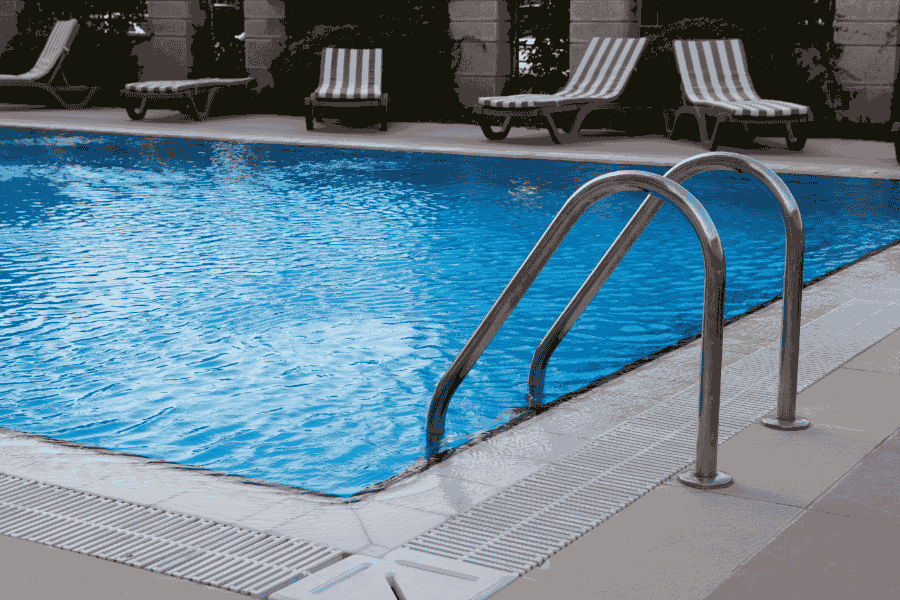
Many pool owners in Sacramento, CA, overlook early warning signs that their swimming pool needs professional repair. It’s easy to dismiss minor issues, but ignoring them can lead to bigger problems down the line. From visible cracks to unusual odors, these signs often indicate underlying issues that require immediate attention. If you want to avoid costly repairs and guarantee your pool remains safe and enjoyable, you should know what to look for.
Cracks or Damage in the Pool Structure
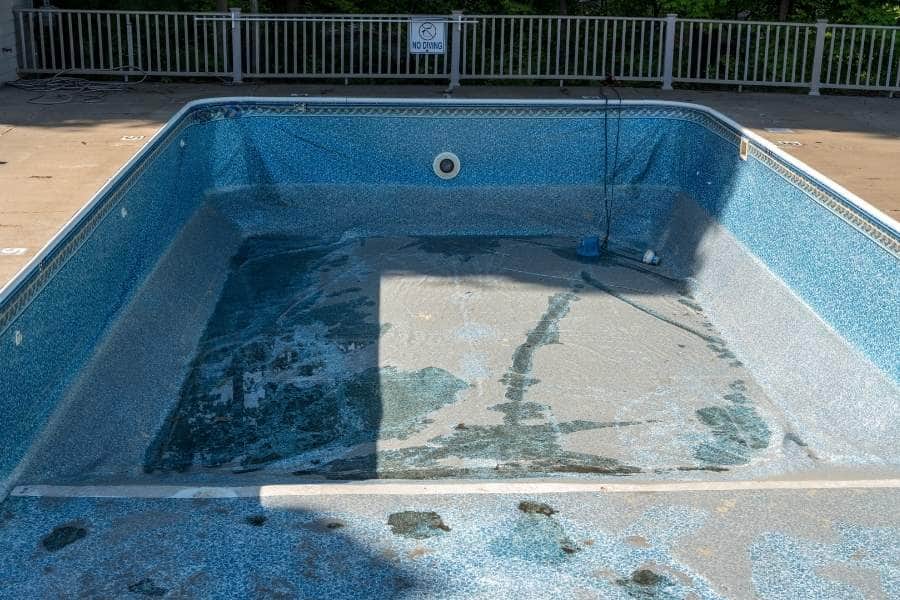
If you notice cracks or damage in your pool structure, it’s crucial to address these issues promptly. Ignoring them can lead to more significant problems down the line, like structural failure or water loss.
Start by inspecting the pool’s walls and floor for any visible signs of wear. Hairline fractures mightn’t seem alarming, but they can grow and worsen over time. If water seeps through these cracks, it may compromise your pool’s integrity and lead to costly repairs later.
You’ll want to act fast by contacting a professional like Adams Swimming Pool & Garden Remodeling. They’ll assess the damage and recommend the best course of action. Professional swimming pool repair services are essential for ensuring the longevity and safety of your pool.
Persistent Water Leaks
Cracks in your pool structure can often lead to persistent water leaks, which are a clear sign your pool needs attention. Ignoring these leaks can result in costly repairs and water waste.
Here are some signs to watch for:
- Water Level Drops: If you notice your pool’s water level consistently dropping, it could indicate a leak.
- Wet Spots: Puddles or soggy areas around your pool can signal that water is escaping.
- Increased Water Bills: A sudden spike in your water bill might be a result of leakage.
- Visible Cracks: If you see cracks in the pool’s surface or surrounding areas, it’s time to investigate further.
If you identify any of these signs, don’t hesitate to call professionals. Addressing persistent water leaks promptly can save you time, money, and stress in the long run. Additionally, seeking help from experts in swimming pool renovation can ensure that any underlying issues are effectively resolved.
Algae Growth and Poor Water Clarity
When you notice algae growth or poor water clarity in your swimming pool, it’s a clear indication that something’s off. Algae thrives in unbalanced water conditions, often signaling inadequate sanitation or filtration issues.
If your pool water appears green, cloudy, or has a foul odor, it’s time to take action. Ignoring these signs can lead to more severe problems, including damage to your pool surfaces and equipment.
You might try shock treatments or algaecides, but if the problem persists, calling in professionals is your best bet. They can assess your pool’s chemistry and filtration system, ensuring your water is safe and inviting. Regular maintenance can prevent these issues, so keep an eye out for any changes. Quality installation can make a significant difference in maintaining your pool’s health and longevity. Don’t let algae turn your oasis into a swamp; trust experts like Adams Swimming Pool & Outdoor Environment Remodeling to restore your pool’s clarity and beauty.
Inconsistent Water Temperature
While enjoying a revitalizing swim, uncovering inconsistent water temperature can be frustrating and indicate underlying issues with your pool’s heating system.
If you’re experiencing this problem, it’s crucial to take note of a few key signs that may need professional attention:
- Unexpected Cold Spots: You notice areas in the pool that are markedly colder than others, affecting your overall swimming experience.
- Frequent Temperature Fluctuations: The water temperature changes unpredictably, leaving you feeling uncomfortable during your swim.
- Heating System Malfunction: Your heater isn’t turning on or is failing to maintain the desired temperature, which could signal a need for repair or replacement.
- High Energy Bills: You observe a sudden spike in energy costs, indicating that your heating system may be working overtime or inefficiently.
Addressing these issues promptly can guarantee your pool remains a rejuvenating oasis, especially when you consider the importance of high-quality pool renovations.
Malfunctioning Pool Equipment
If your pool’s pump isn’t operating efficiently, or if the heater’s performance is off, it’s time to take notice.
Malfunctioning equipment can lead to larger issues, affecting your pool’s overall functionality and comfort.
Keeping an eye on these signs can help you catch problems before they escalate.
Inefficient Pump Operation
A malfunctioning pool pump can lead to a host of issues, making it crucial to address any signs of inefficient operation promptly.
If you notice any of the following symptoms, it’s time to call in the professionals:
- Low Water Flow: If the water isn’t circulating well, it may indicate a pump issue.
- Unusual Noises: Grinding, rattling, or high-pitched sounds can signal mechanical problems.
- Increased Energy Bills: A pump that’s working harder than it should can spike your utility costs.
- Cloudy Water: If your pool isn’t crystal clear, it may be struggling to filter effectively.
Ignoring these signs can lead to bigger problems down the line, so don’t hesitate to seek help!
Faulty Heating Systems
Have you noticed your pool isn’t heating up as it should? A faulty heating system can turn your swimming experience into a chilly affair.
If you’re cranking up the temperature but still feeling cold water, it’s time to investigate. Check the thermostat settings; it might be as simple as a miscalibration. Look for error codes on the unit, as these can provide clues to the issue.
Additionally, listen for unusual noises or monitor for leaks around the heater. If you’re unsure, it’s best to call in a professional.
At Adams Swimming Pool & Garden Remodeling, we specialize in diagnosing and repairing heating systems, ensuring your pool stays comfortable year-round.
Don’t let a malfunction ruin your enjoyment—get it checked!
Unpleasant Odors or Chemical Imbalances
If you notice persistent unpleasant smells coming from your pool, it might signal a chemical imbalance that needs attention.
These odors can indicate underlying issues that not only affect your pool’s clarity but also pose health risks to you and your guests.
Addressing these problems promptly guarantees a safe and enjoyable swimming environment.
Chemical Imbalance Indicators
Wondering why your swimming pool has an unpleasant odor? It might be a sign of a chemical imbalance. Here are some indicators to look out for:
- Chlorine Smell: A strong chlorine odor often means your pool has too much chlorine or contaminants.
- Cloudy Water: If your water looks cloudy, it could indicate a chemical imbalance affecting water clarity.
- Skin Irritation: If you or your guests experience skin rashes or irritation, it may be as a result of improper chemical levels.
- Algae Growth: Unwanted algae blooms signal that your pool’s chemical balance is off, leading to potential health hazards.
If you notice any of these signs, it’s time to consult a professional for a thorough assessment and necessary repairs.
Persistent Unpleasant Smells
Persistent unpleasant smells in your swimming pool can indicate underlying issues that need immediate attention.
If you notice a strong odor resembling chlorine or even a musty scent, it’s a sign that something’s off. These odors often result from chemical imbalances, algae growth, or decaying organic matter.
Ignoring these smells can lead to more significant problems, such as equipment damage or compromised water quality. You’ll want to check your pool’s chemical levels and guarantee proper sanitation.
If the smells persist, it may be time to consult a professional. At Adams Swimming Pool & Outdoor Area Remodeling, our experts can diagnose the cause and implement effective solutions, restoring your pool to a safe and enjoyable state.
Health Risks Involved
When unpleasant odors or chemical imbalances arise in your swimming pool, they can pose serious health risks that shouldn’t be overlooked.
Poor water quality can lead to various issues, affecting both your health and enjoyment of the pool. Here are some potential health risks to take into account:
- Skin Irritation: High chlorine levels or imbalanced pH can cause rashes or dryness.
- Respiratory Issues: Fumes from chemical imbalances may irritate your lungs, leading to breathing difficulties.
- Infections: Bacteria and algae thrive in improperly maintained water, increasing the risk of infections.
- Eye Irritation: Unpleasant odors often indicate high chemical levels, which can cause red, itchy eyes.
Addressing these issues promptly can guarantee a safe and enjoyable swimming environment.
Increased Utility Bills
If you’ve noticed a spike in your utility bills, your swimming pool might be the culprit. Increased energy and water costs can signal underlying issues that need attention.
For instance, a leaking pool can waste significant amounts of water, leading to higher bills. Likewise, if your pool pump is working overtime owing to inefficiencies, it can drive up your electricity expenses.
You might likewise notice that your heating costs have risen if your pool heater is malfunctioning or if its settings aren’t optimized.
Don’t ignore these warning signs—addressing them promptly can save you money and prevent further damage.
If you suspect your pool is to blame, it’s time to call in professionals like Adams Swimming Pool & Outdoor Area Remodeling. Their expertise can help identify the issues and restore your pool’s efficiency, ensuring your utility bills don’t continue to climb.
Conclusion
If you notice cracks in your pool, leaks in your plumbing, or odors in the air, it’s time to act. Don’t let algae cloud your water, don’t ignore malfunctioning equipment, and don’t let high utility bills drain your wallet. Keeping your pool safe and enjoyable means being vigilant and addressing issues promptly. Remember, a well-maintained pool is a happy pool, so stay proactive, stay aware, and guarantee your swimming environment is always at its best.